Casa Alto Perú
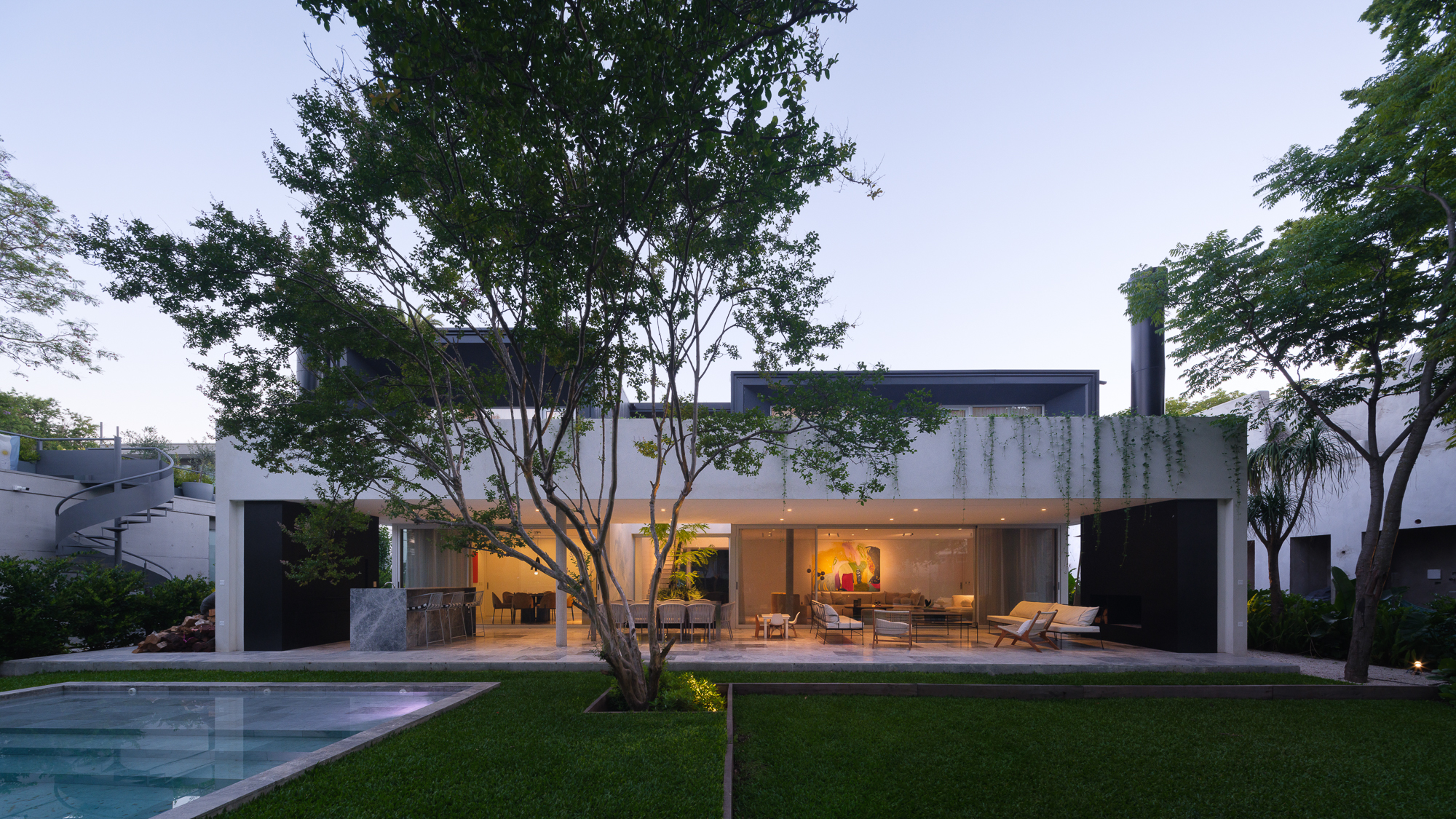
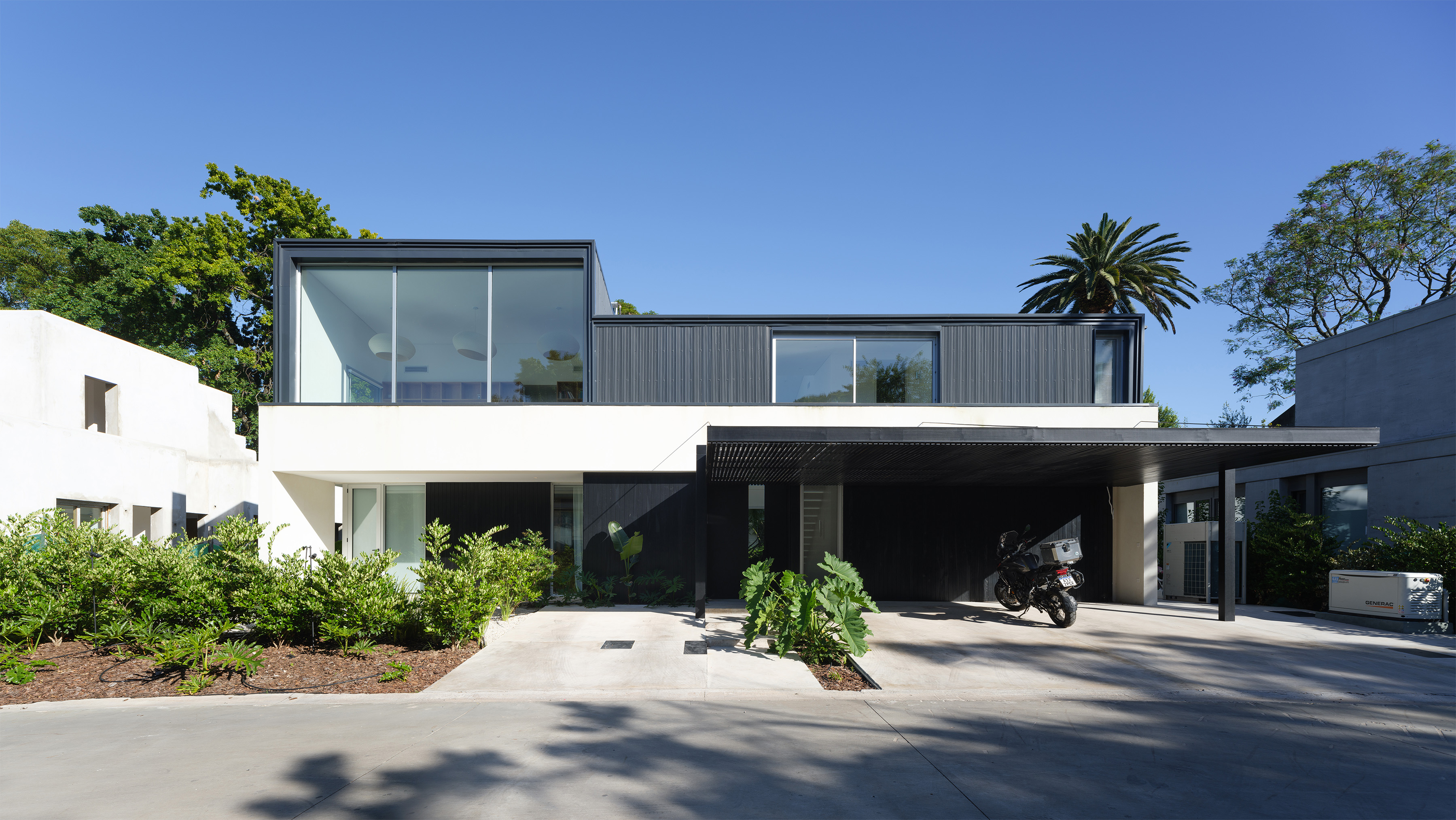
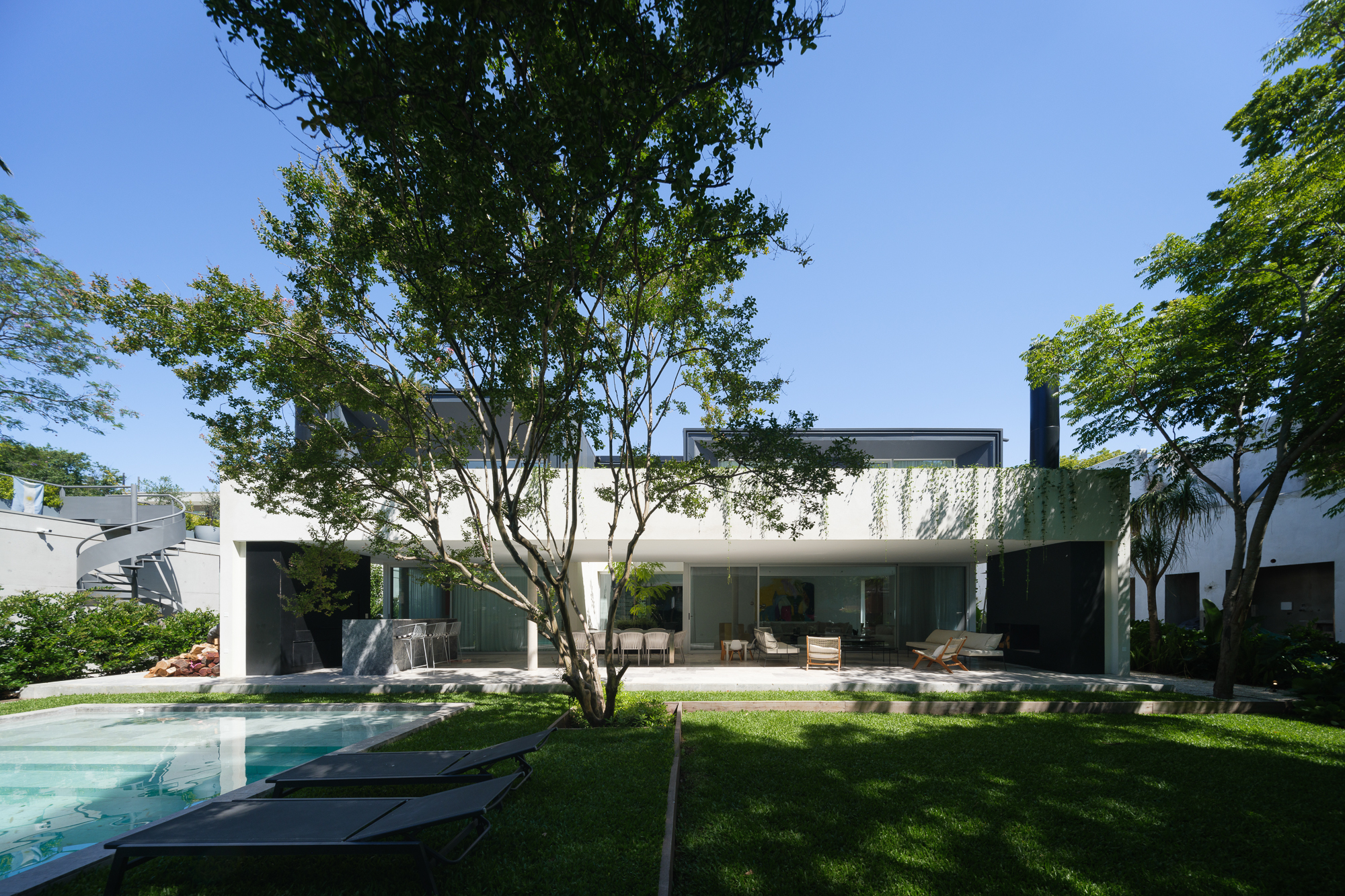
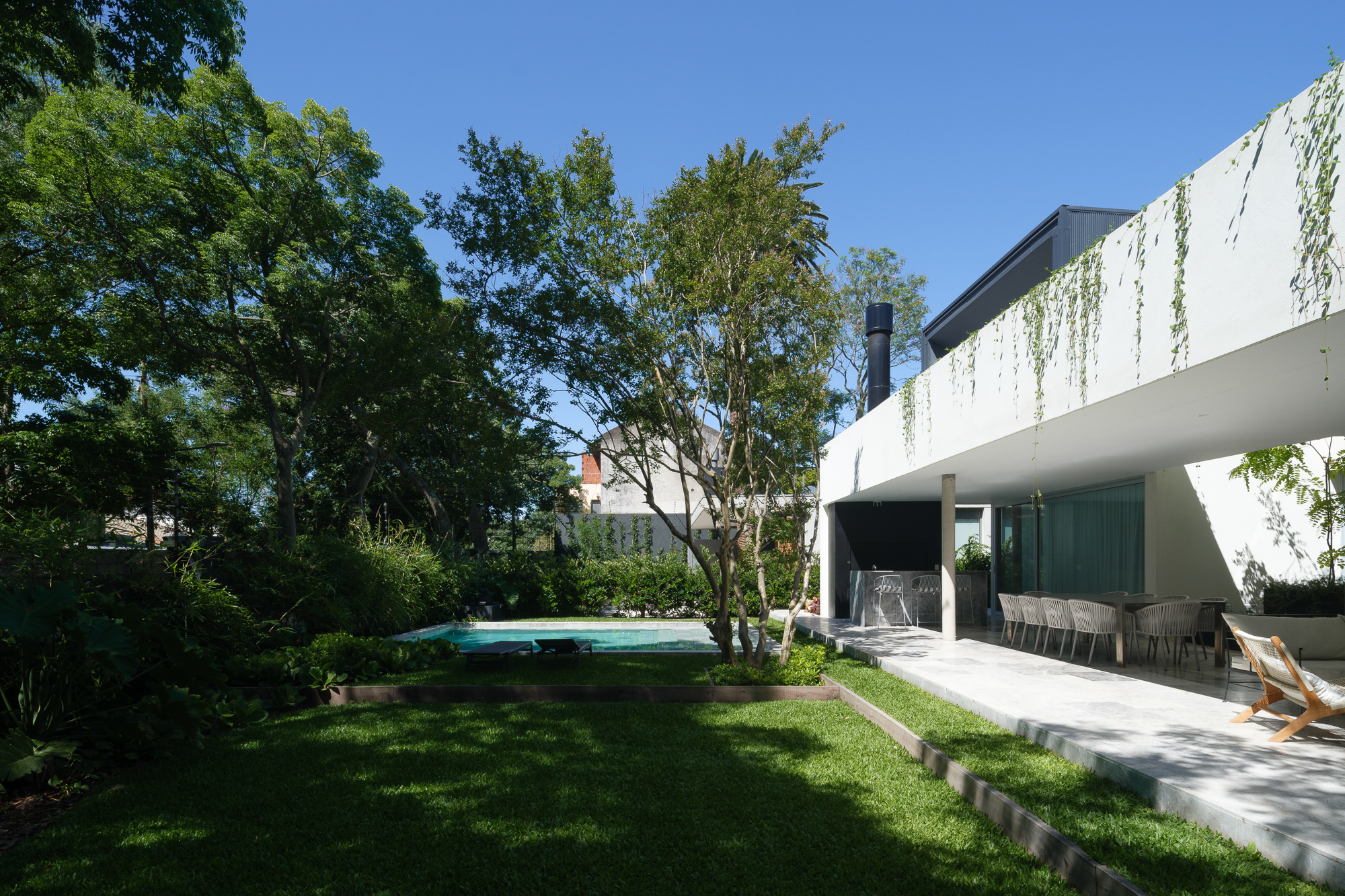
Ubicada en un pequeño barrio cerrado de solo cinco lotes, resultado de la subdivisión de una antigua quinta en San Isidro, la casa se implanta sobre el frente del terreno, liberando el fondo como jardín privado orientado al norte.
El proyecto responde a la demanda de una casa de cierto volumen, y adopta una estrategia de compacidad que preserva la proporción entre el área construida y el espacio exterior. De este modo, el jardín adquiere una escala generosa en relación al conjunto, y se convierte en el verdadero corazón del proyecto.
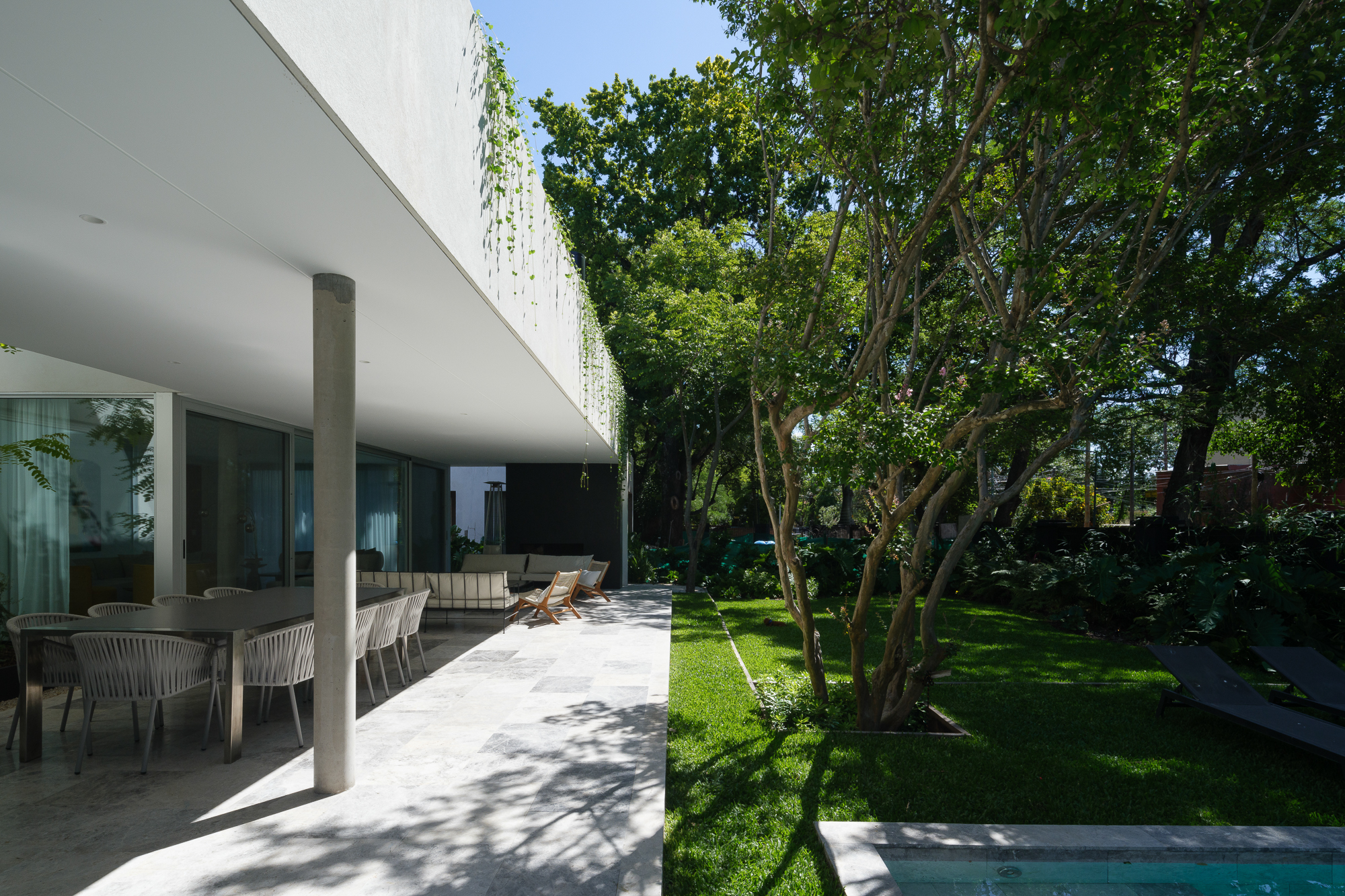
A diferencia de lo que suele suceder con los retiros laterales obligatorios —que muchas veces devienen espacios residuales—, se opta por integrarlos a la vida de la casa. A través de aperturas y un diseño paisajístico cuidadosamente trabajado, la vegetación penetra y rodea la vivienda, reforzando la conexión con el entorno inmediato.
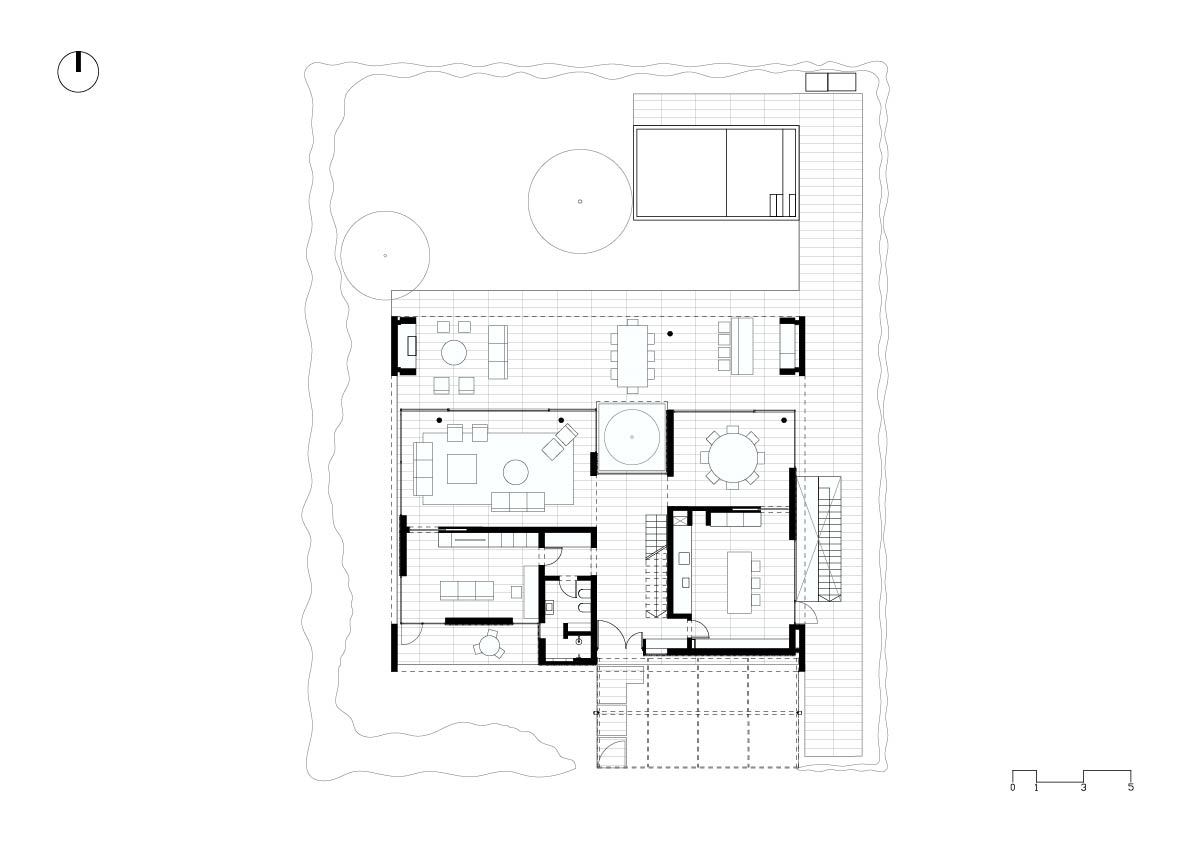
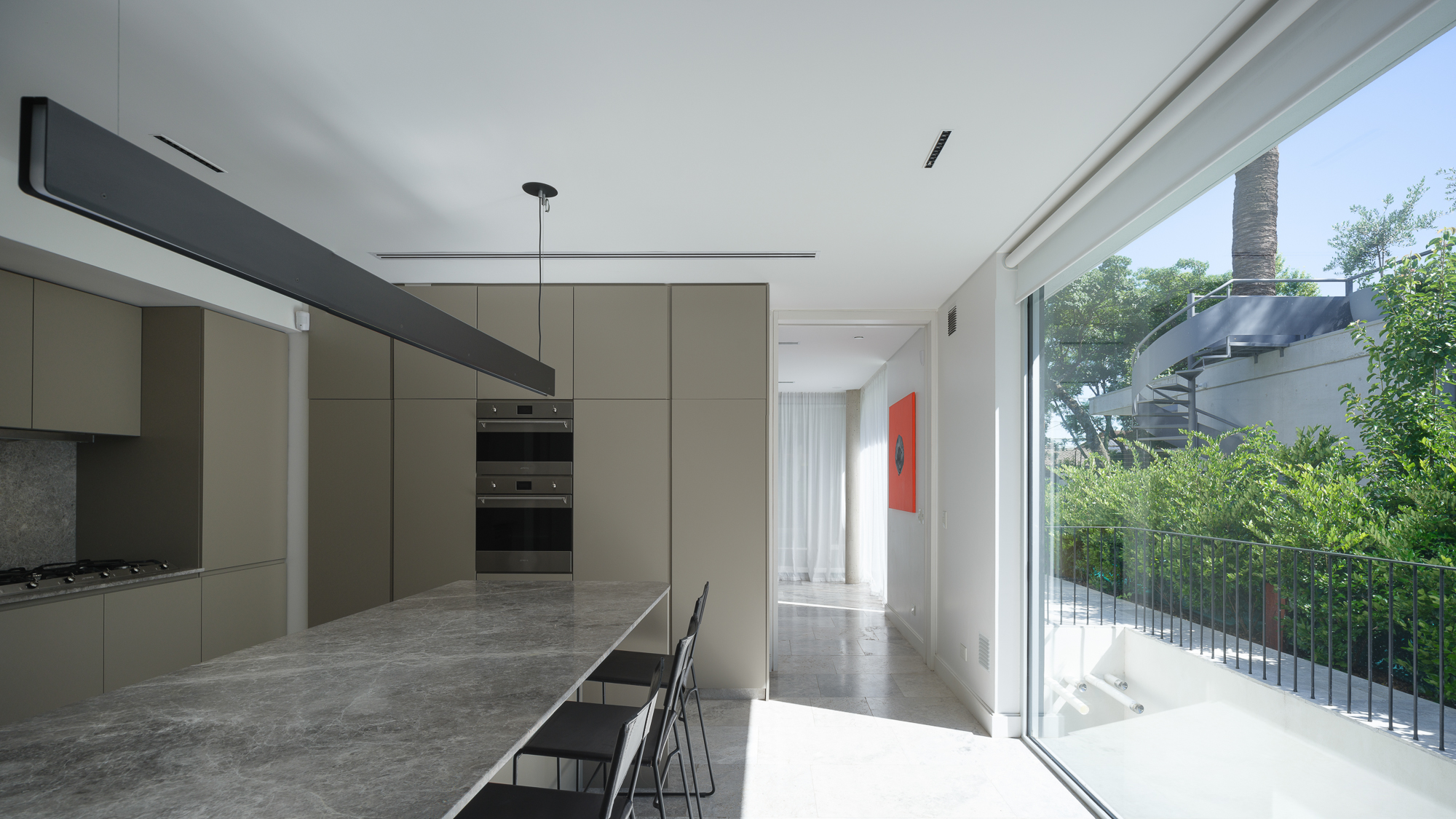
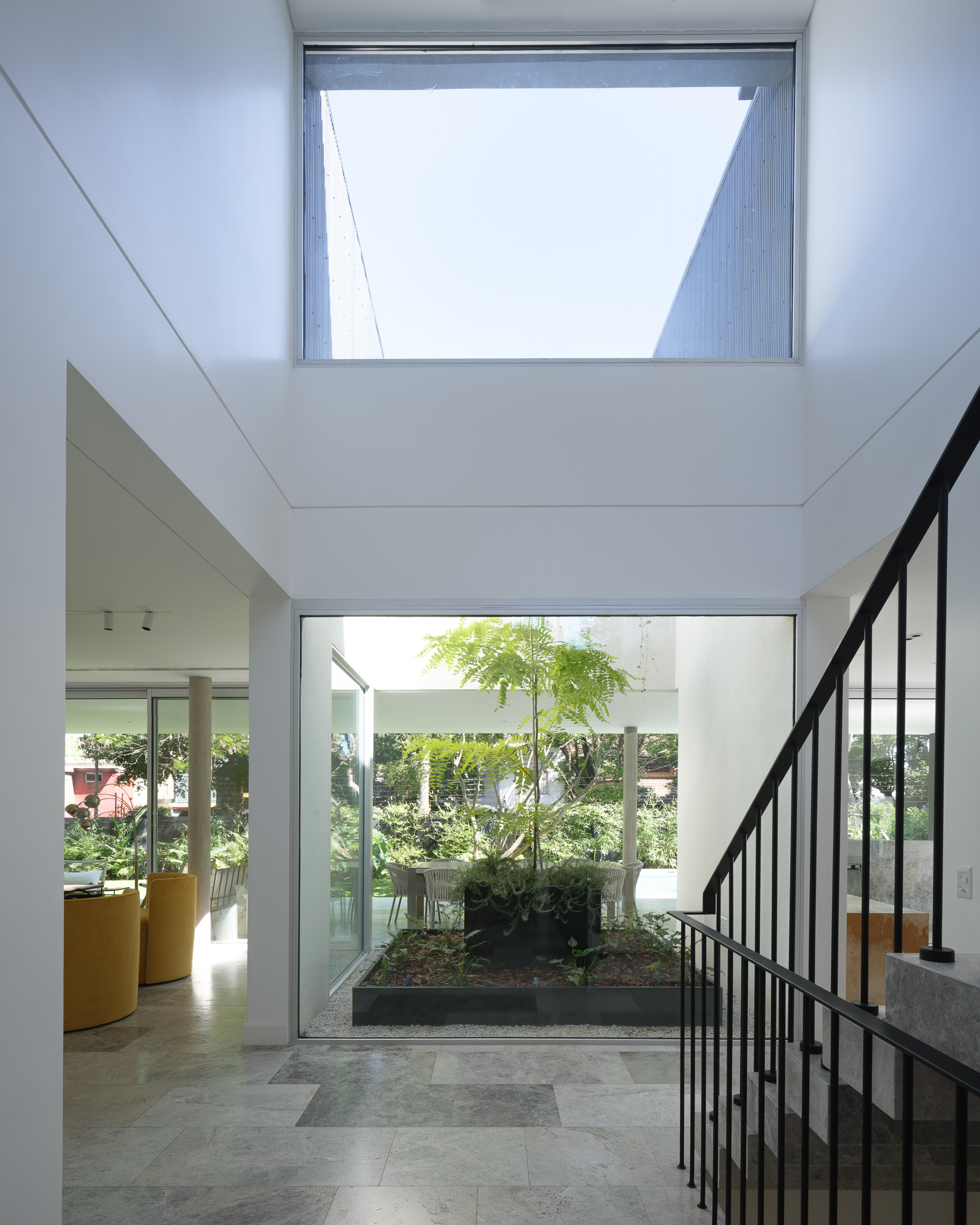
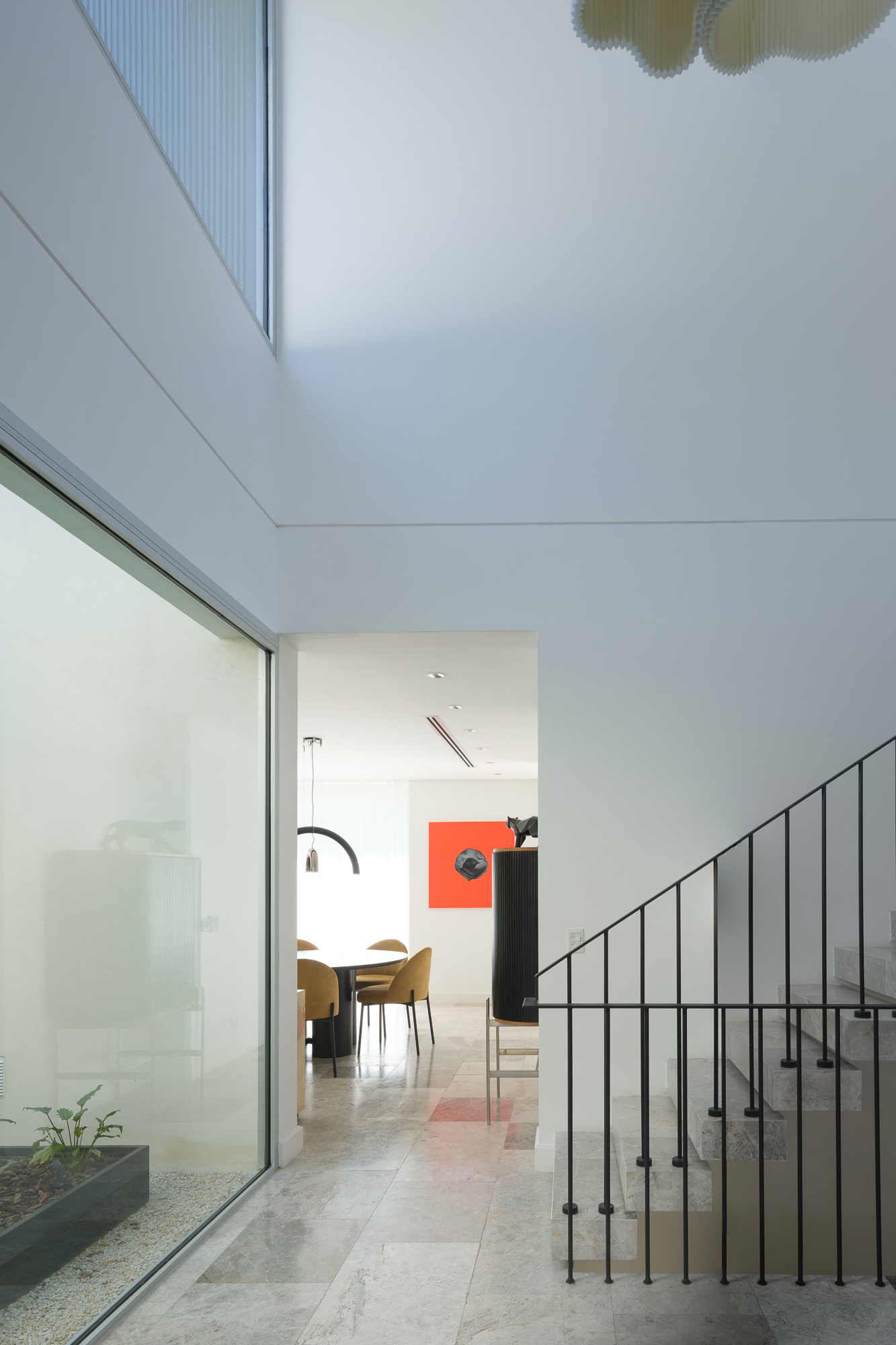
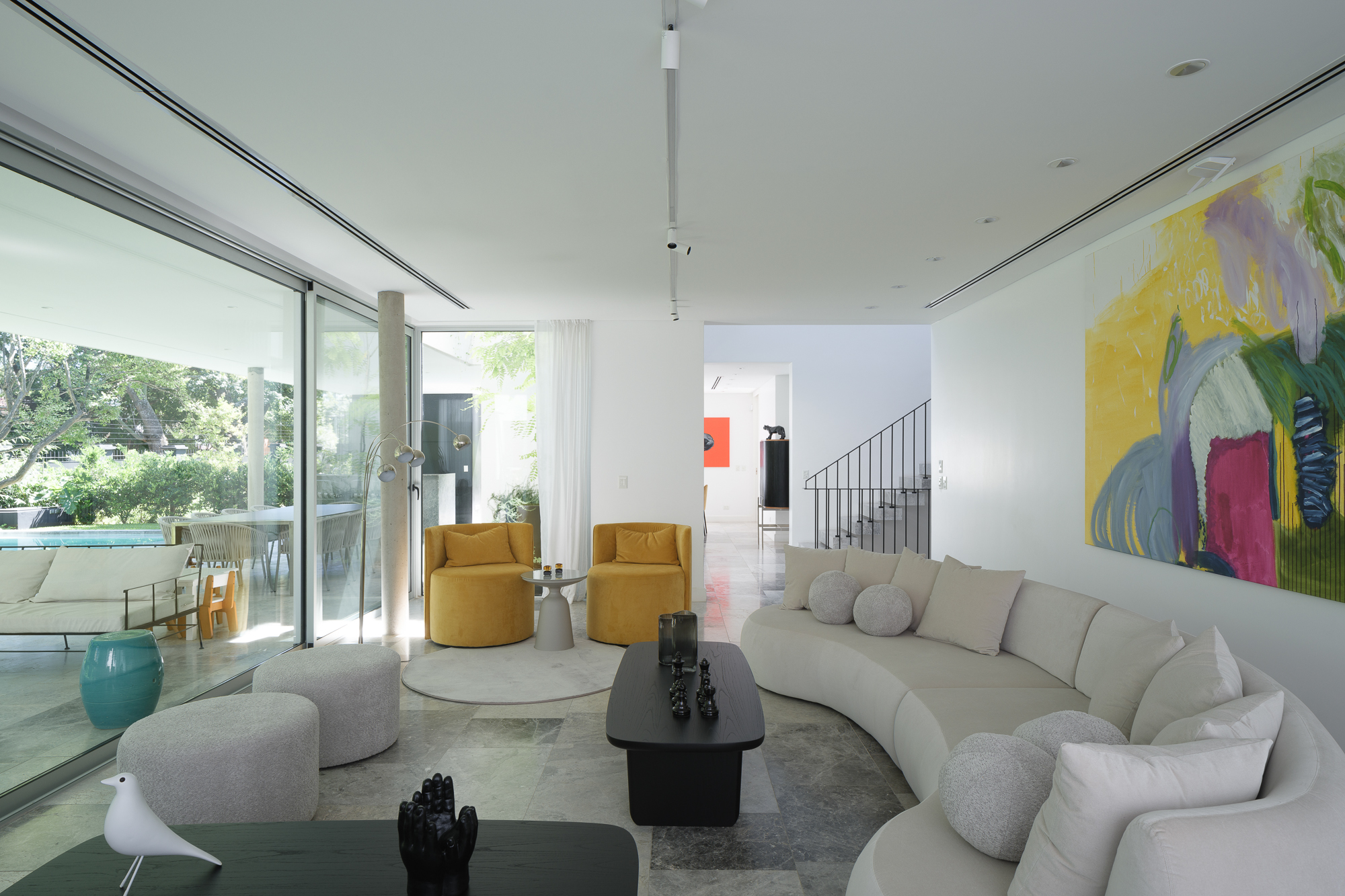
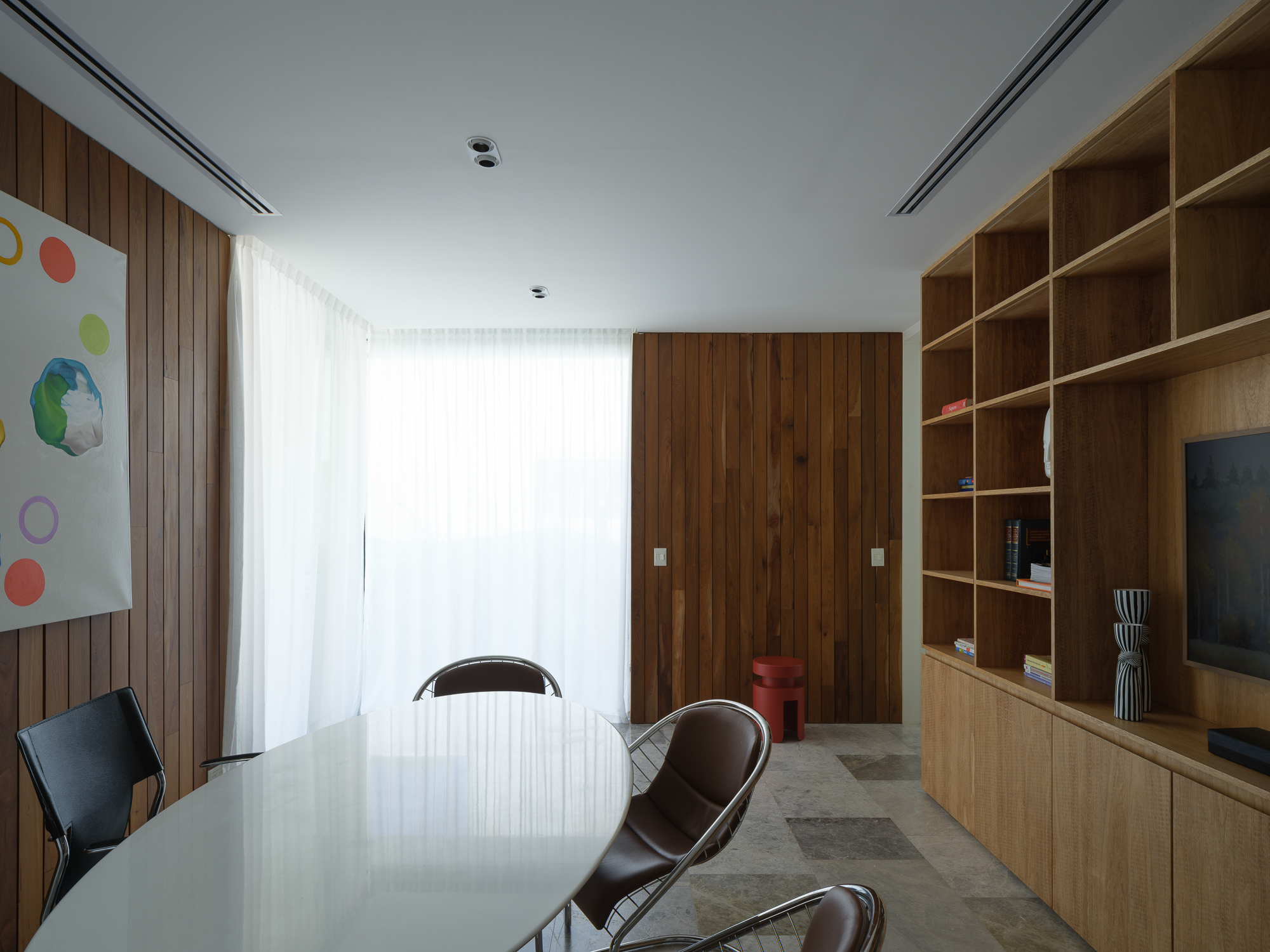
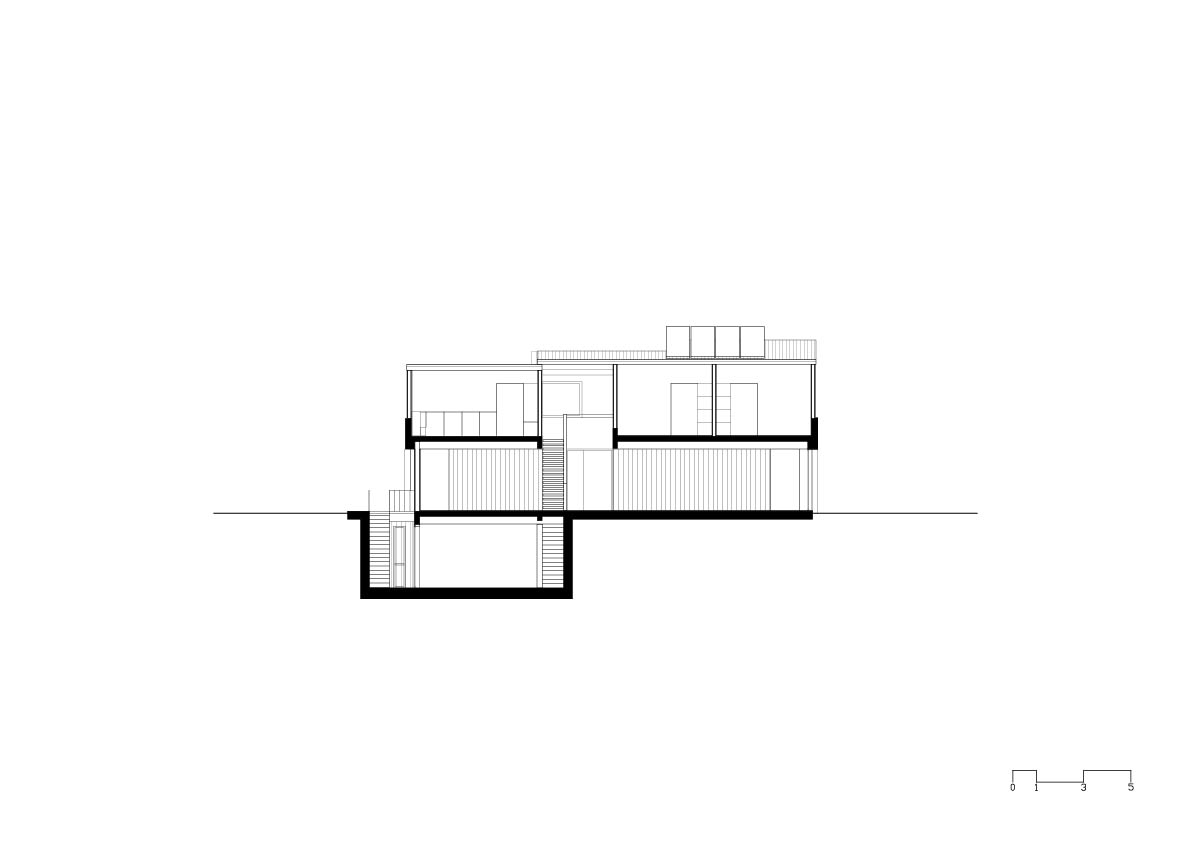
En planta baja se organizan los espacios públicos de la casa. Una oficina, con doble acceso que permite usos flexibles, dando respuesta a nuevas formas de habitar surgidas a partir de la pandemia. La cocina y el comedor se ubican en un ala, mientras que el estar ocupa el extremo opuesto.Ambos se articulan mediante un patio interior que aporta luz y ventilación natural, y configura una situación espacial singular en la galería.
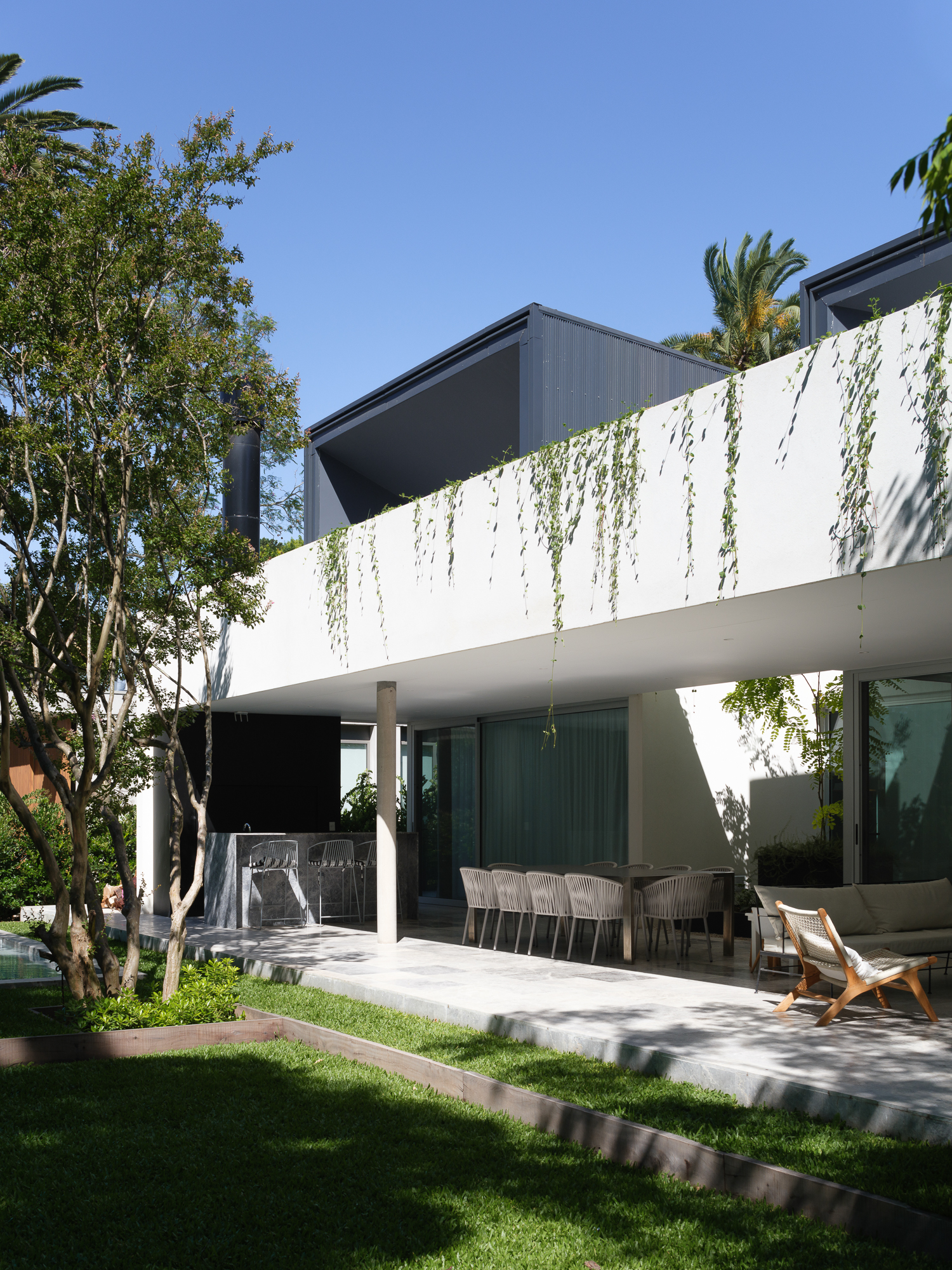
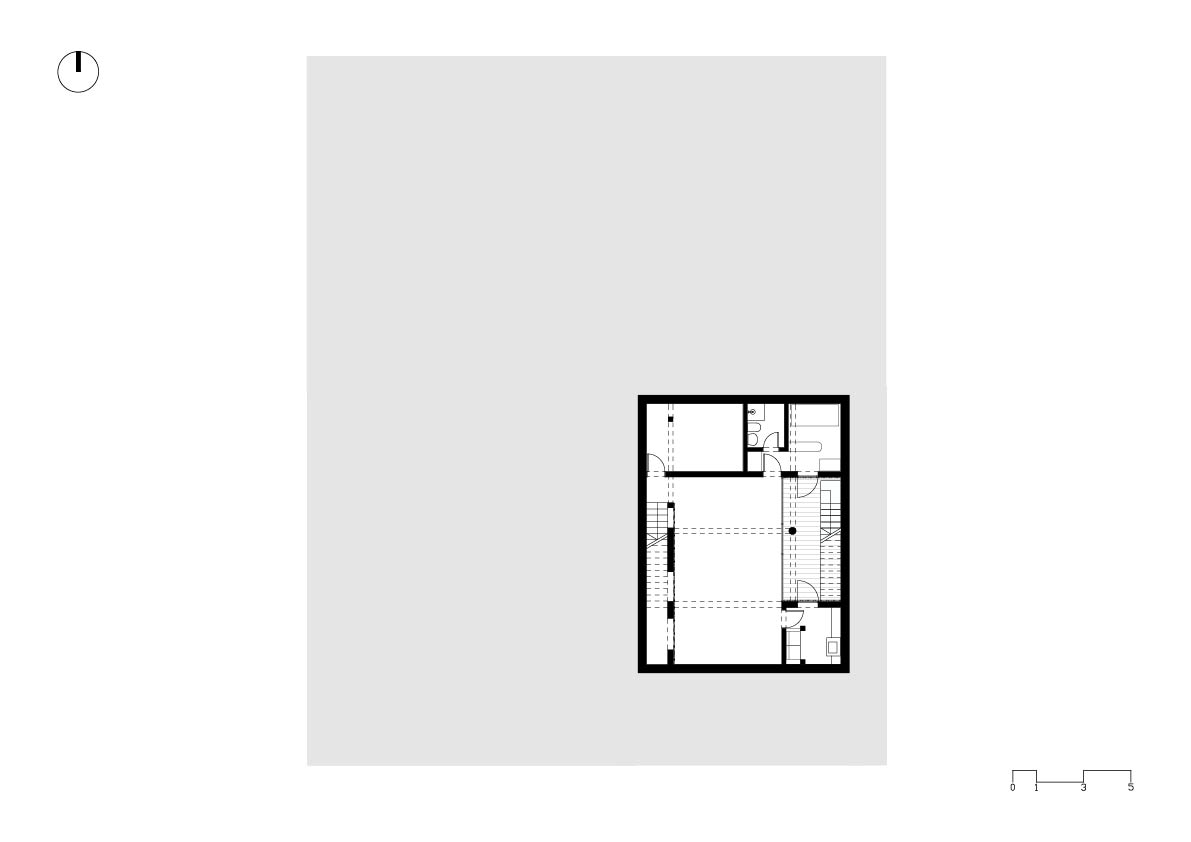
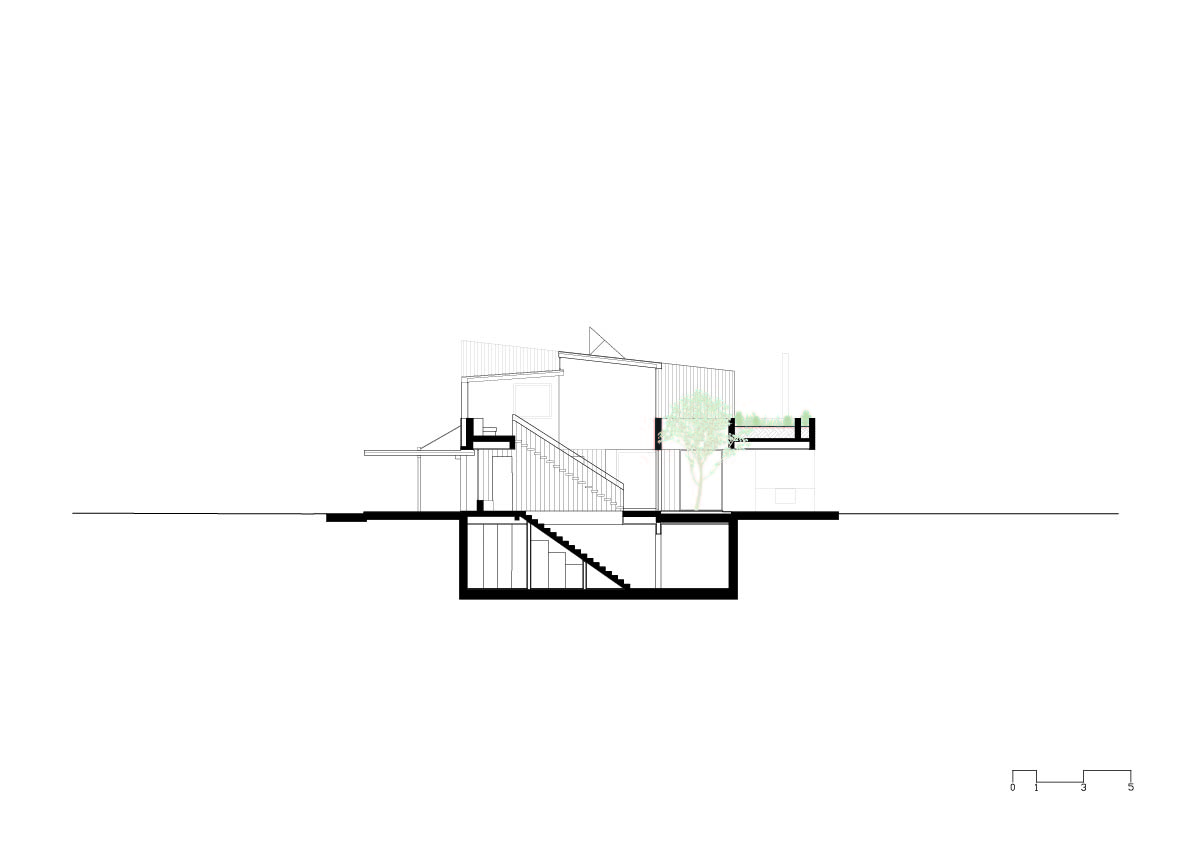
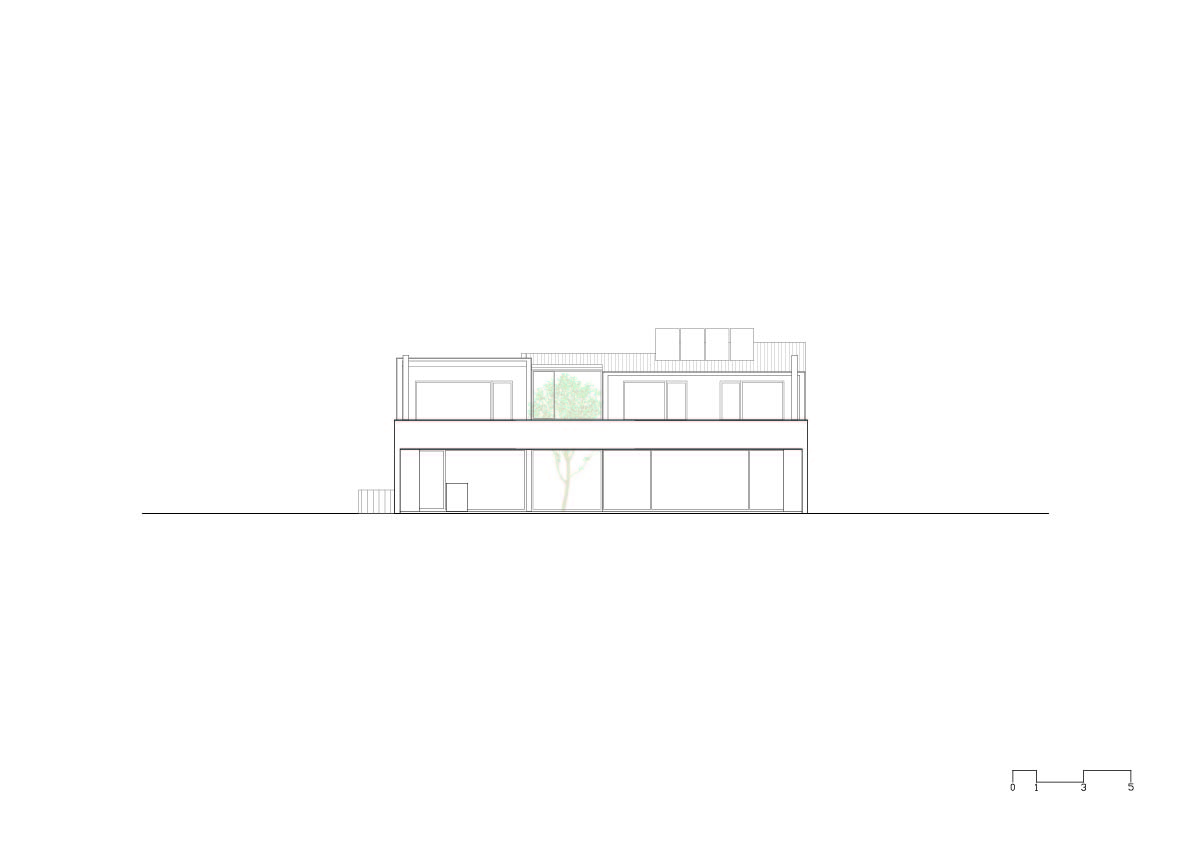
La galería, que recorre el ancho del fondo, promueve la vida exterior junto al jardín, y a la vez funciona como terraza de los dormitorios en planta alta. Esta pieza permite que la casa, vista desde el jardín, conserve una escala baja, favoreciendo su integración con el entorno. Desde el acceso de la casa una escalera desciende a un subsuelo donde se desarrolló un espacio privado para ejercitarse, iluminado naturalmente mediante un pequeño patio inglés. El hall de acceso, en doble altura, establece una relación visual con el patio interior y con el espacio exterior, y organiza la circulación vertical hacia el nivel superior.
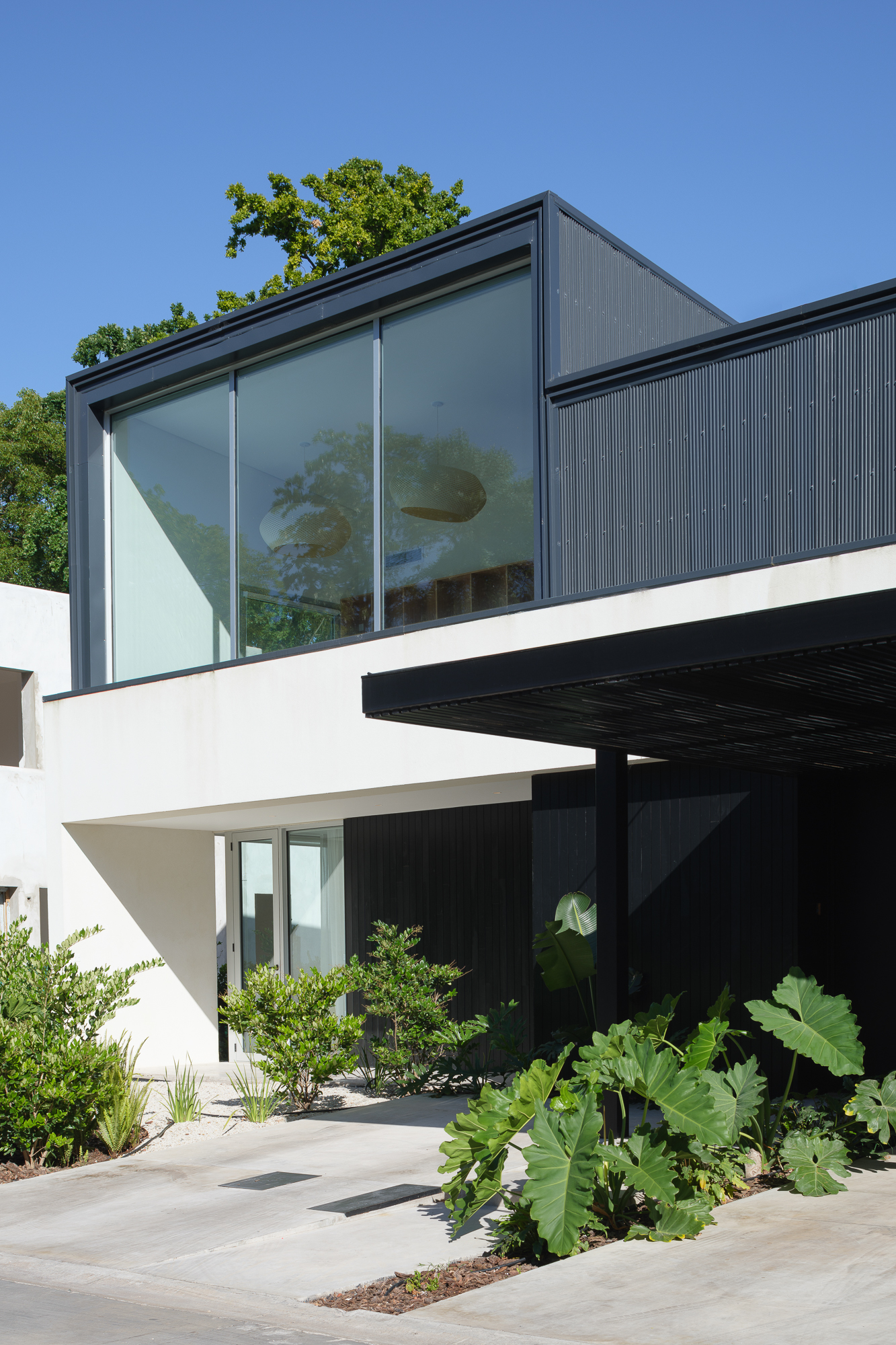
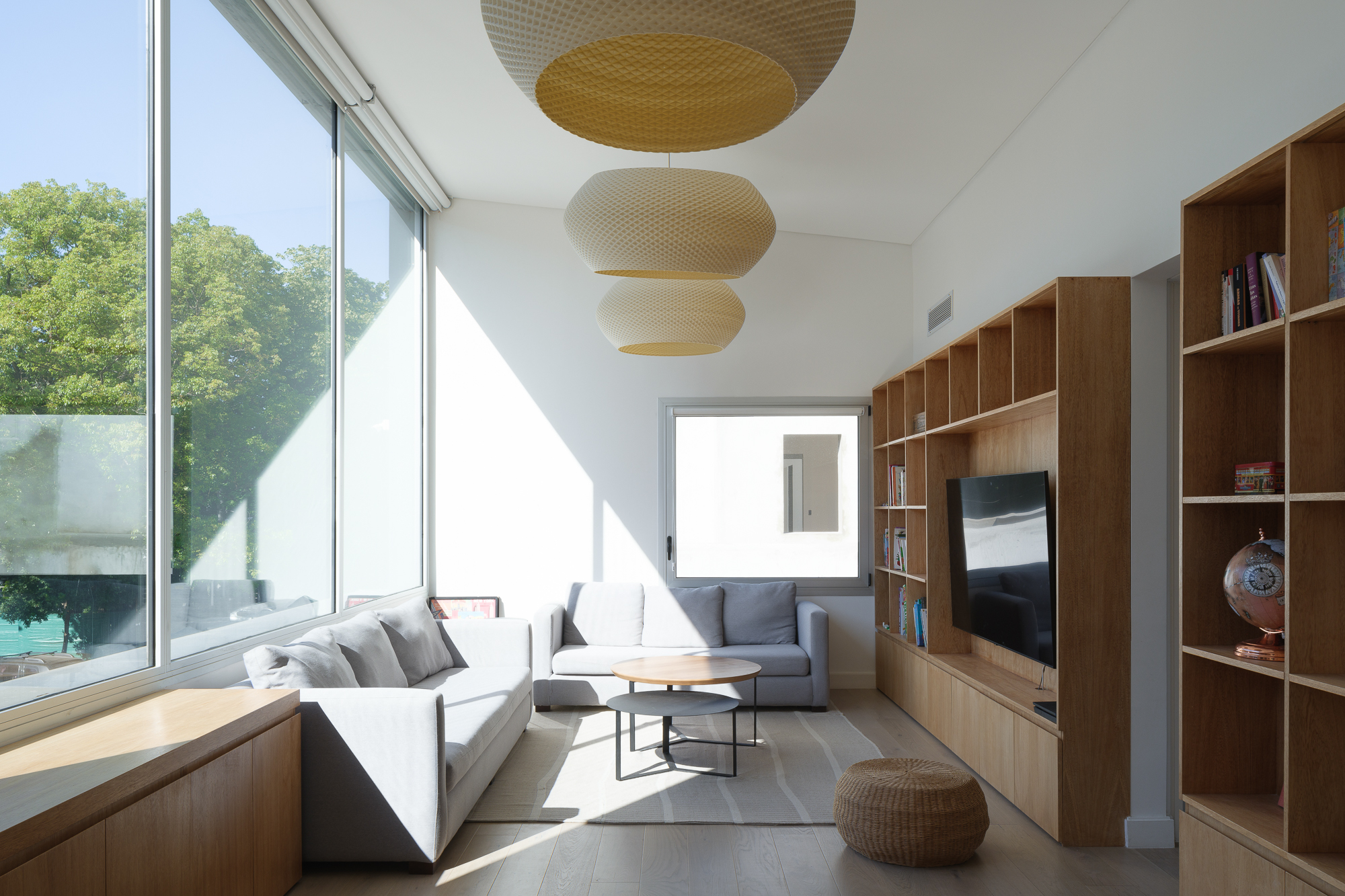
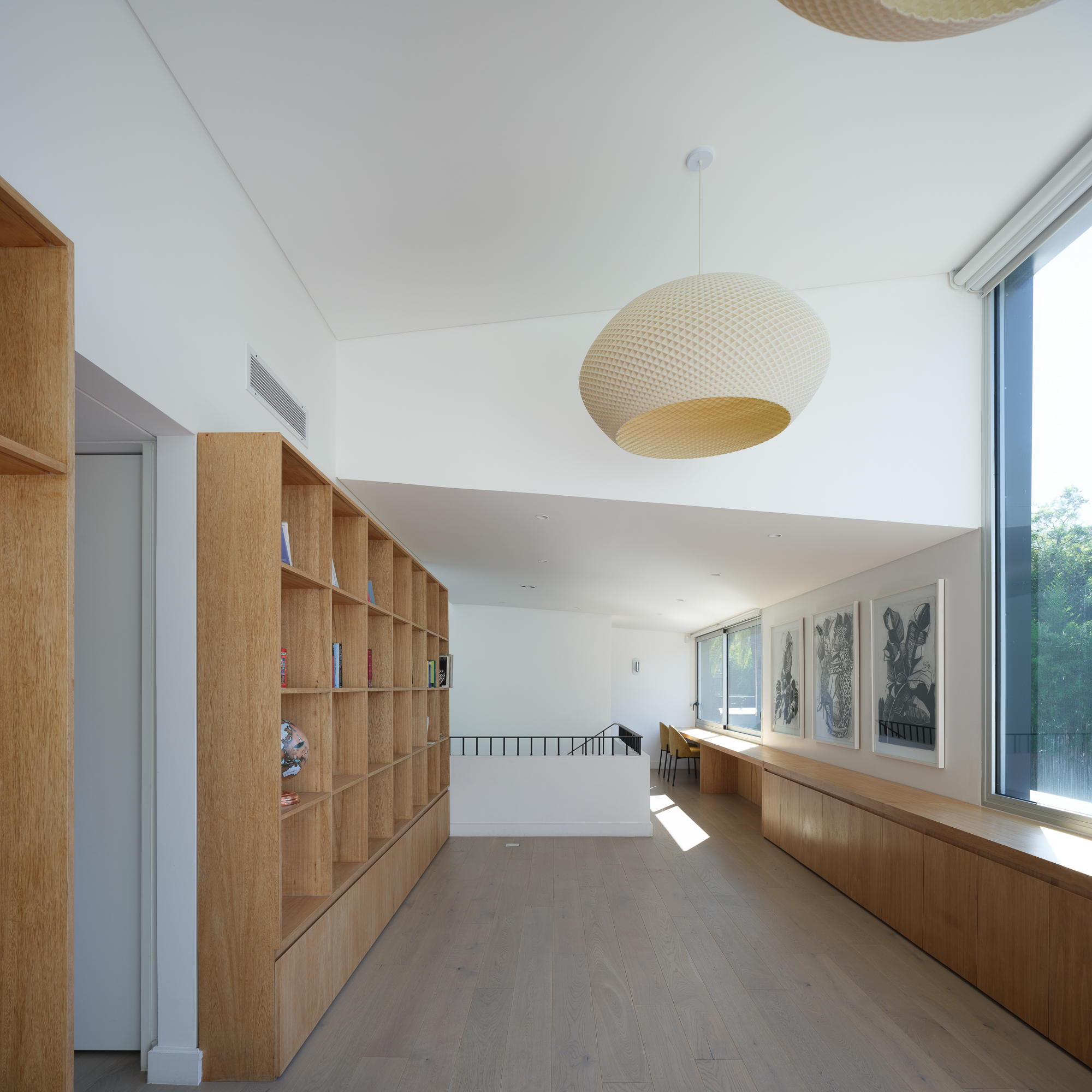
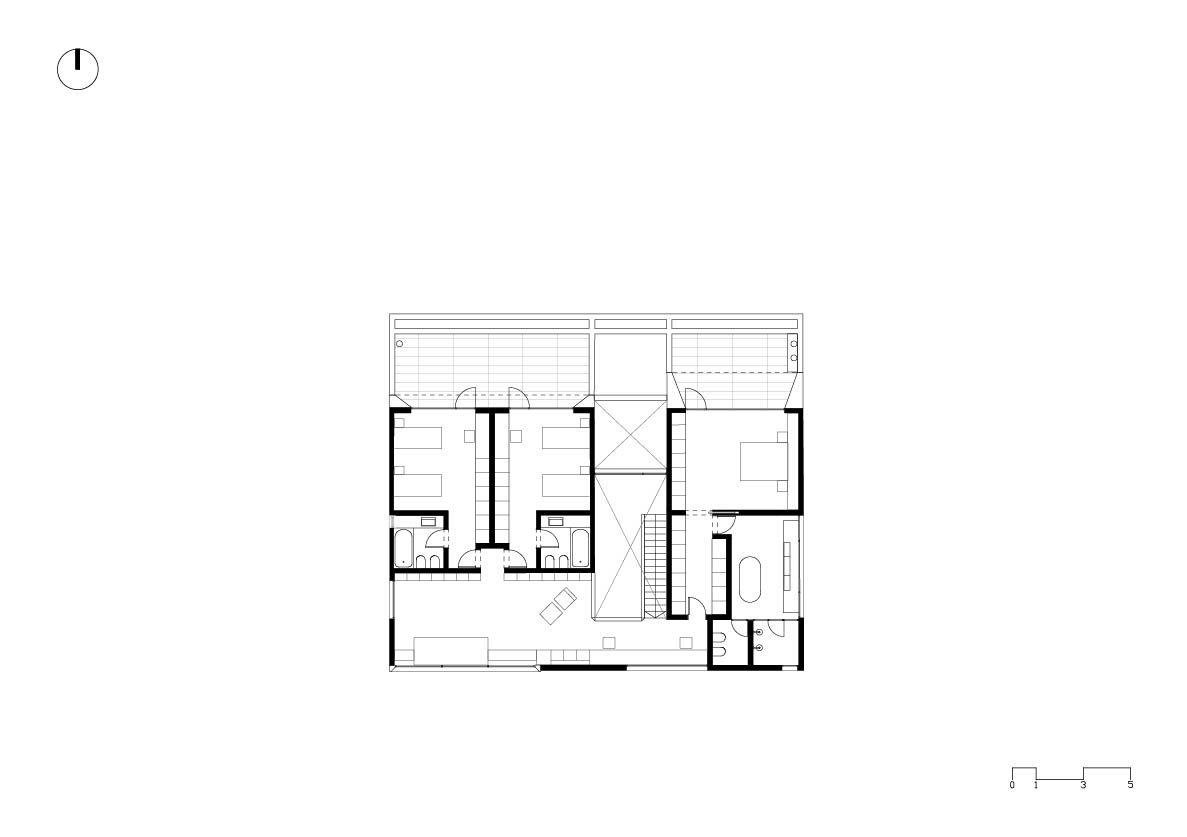
En planta alta, un espacio común articula los dormitorios, configurando una antesala equipada con biblioteca, escritorio y estar. Este ámbito se abre hacia el sur mediante un gran ventanal, que aporta luz natural controlada y enmarca la vista.
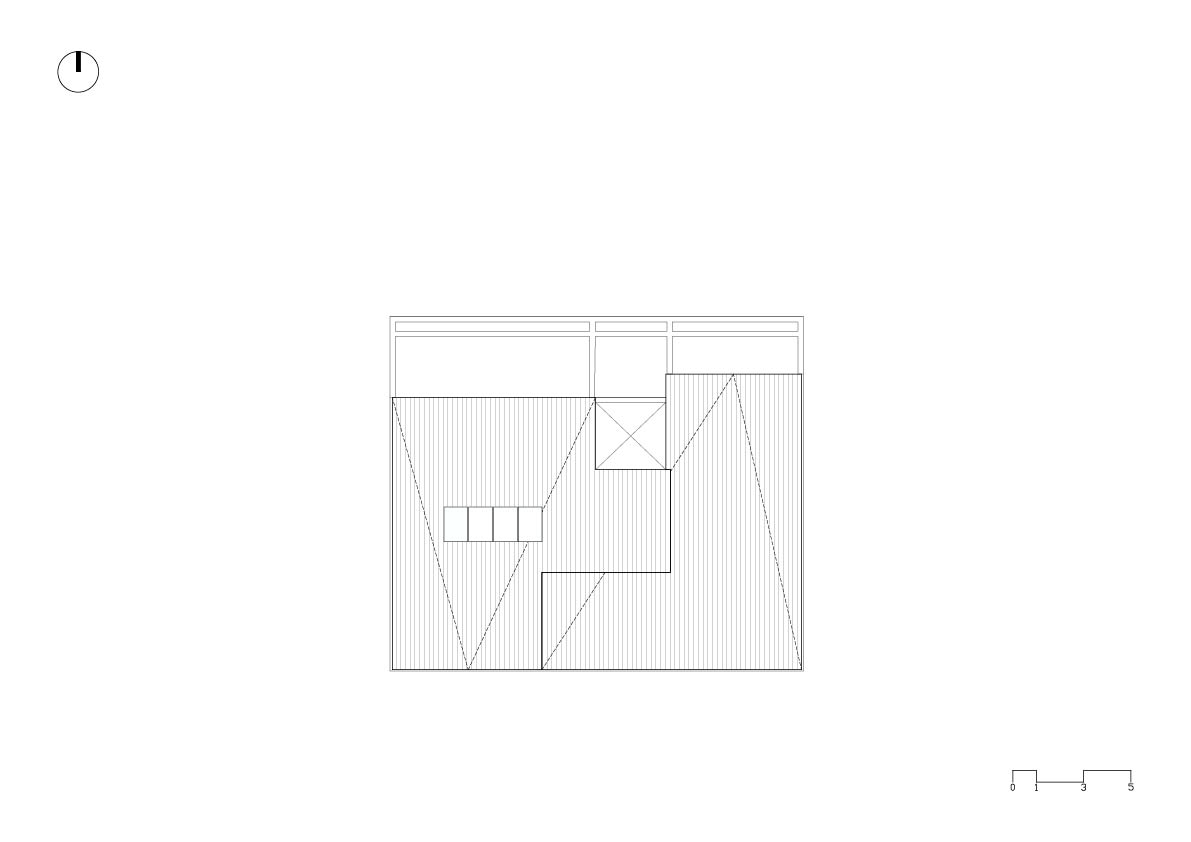
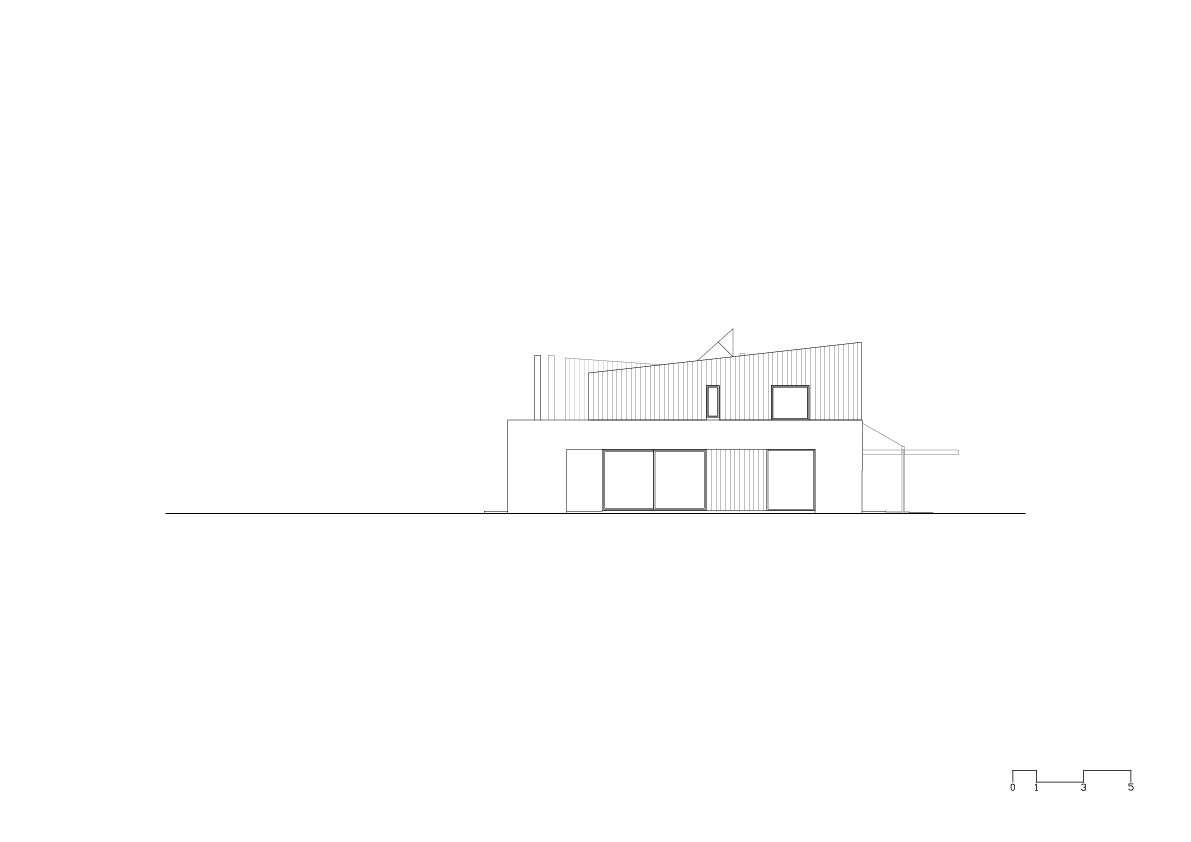
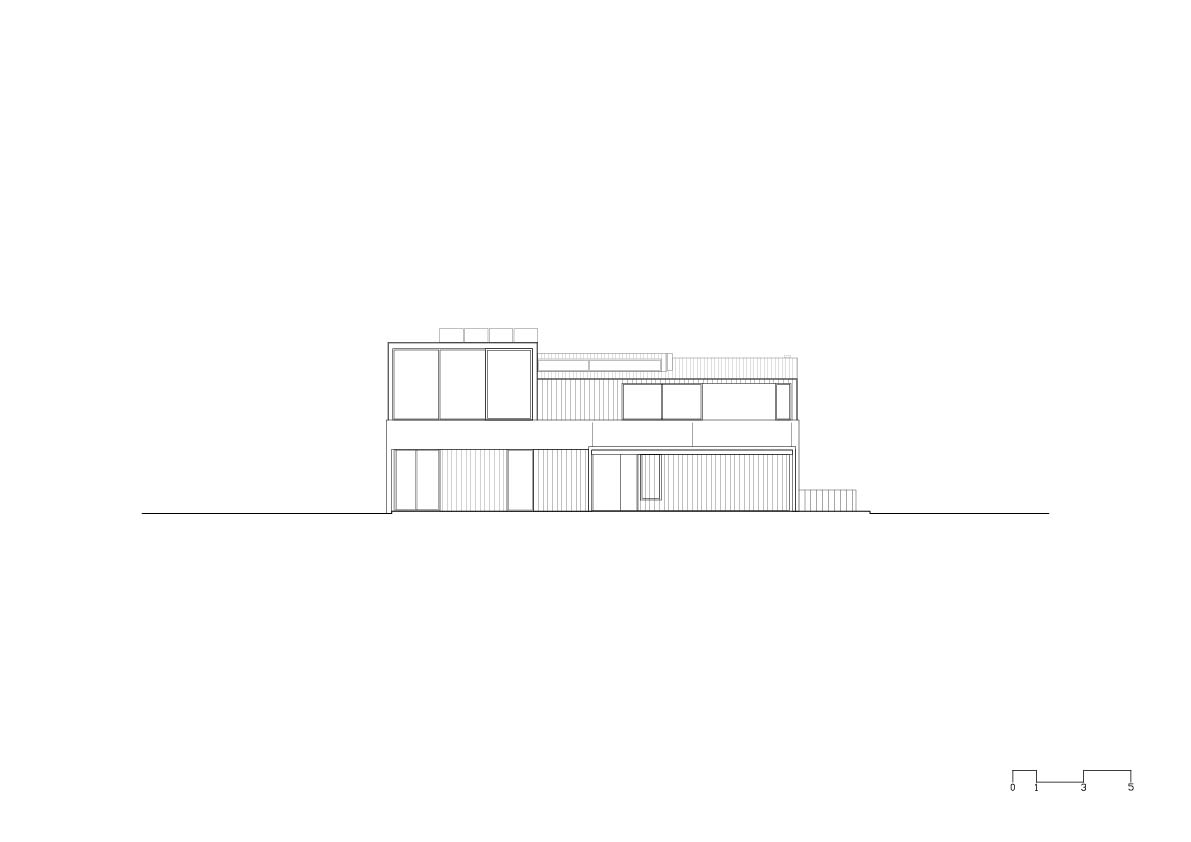
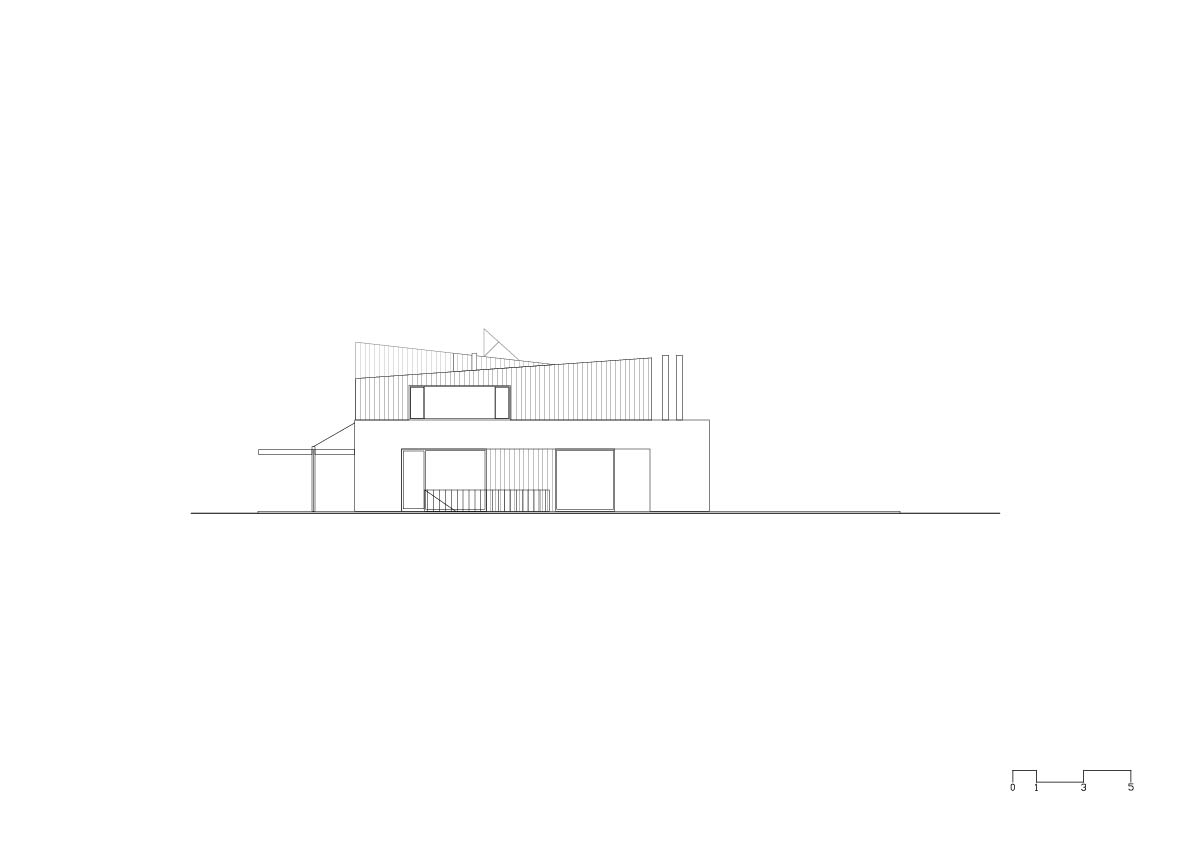
Constructivamente la planta baja se resuelve como una estructura pesada, tipo mesa, de hormigón revestido con revoque blanco. En contraste, la planta alta está construida en steel frame, revestida con chapa color oscuro que continúa en la cubierta, acentuando su carácter liviano y suspendido.
La casa se organiza a partir de una serie de decisiones que buscan equilibrar compacidad y apertura, peso y ligereza, privacidad y vida compartida. El uso estructural diferenciado entre los dos niveles, la incorporación activa de los retiros laterales como parte del espacio habitable, y la articulación entre interior y exterior a través de patios y galerías, definen una manera de habitar atenta tanto al sitio como a las formas contemporáneas de vida familiar.